
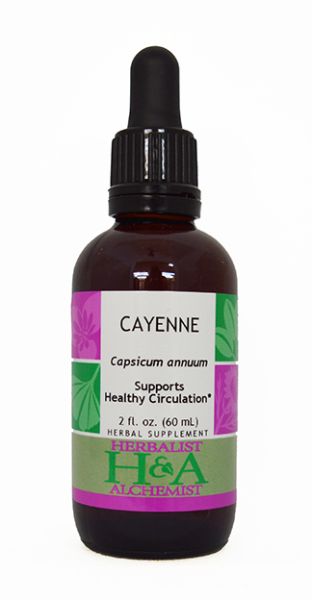
Cayenne Extract 2 oz - Supports Healthy Circulation
Cayenne pepper supports circulation, metabolism, pain relief, inflammation control, digestion, and sinus health — with strong scientific support for its active compound, capsaicin.
Would you like me to list the best ways to take cayenne (powder, capsule, tincture, or topical) and what doses are typically used for each purpose?
What’s in cayenne pepper?
The main active compound is capsaicin, a bioactive alkaloid responsible for its heat and much of its biological activity.
Evidence from laboratory studies
- Cell culture and animal studies have shown that capsaicin can:
- Trigger apoptosis (cell suicide) in several cancer cell types — including prostate, breast, colon, pancreatic, and lung cancers.
- Inhibit tumor growth and angiogenesis (formation of new blood vessels that feed tumors).
- Reduce metastasis by interfering with cell migration and signaling pathways (like NF-κB, EGFR, and VEGF).
- Act as an antioxidant at low doses but a pro-oxidant at high concentrations, which may damage cancer cells preferentially.
But in humans…
- Most of the evidence comes from lab and animal models, not clinical trials.
- Oral capsaicin doses high enough to kill cancer cells can irritate or damage the gastrointestinal tract and cause pain or inflammation.
- Some epidemiological studies have even found that excessively high chili intake (especially in certain populations) may increase risk of stomach cancer — possibly due to chronic irritation or contamination in hot pepper preparations.
Cayenne pepper — thanks mainly to its active compound capsaicin — offers a wide range of well-studied health benefits when used in moderate amounts.
Here’s a clear breakdown:
1. Boosts circulation and heart health
-
Capsaicin dilates blood vessels, improving blood flow.
-
May help lower blood pressure slightly and reduce LDL cholesterol oxidation.
-
Improves peripheral circulation and may help prevent cold hands and feet in people with poor blood flow.
2. Supports metabolism and weight management
-
Increases thermogenesis — the rate at which your body burns calories.
-
Can modestly reduce appetite and increase fat oxidation after meals.
-
May support healthy blood sugar balance and insulin sensitivity.
3. Anti-inflammatory and antioxidant properties
-
Capsaicin suppresses NF-κB, a key inflammatory pathway.
-
Contains antioxidants that neutralize free radicals, reducing oxidative stress linked to aging and chronic disease.
4. Clears sinuses and aids respiration
-
Acts as a natural decongestant by thinning mucus.
-
Stimulates circulation in nasal passages, helping clear sinus congestion and relieve pressure.
5. Pain relief
-
Topical capsaicin creams (0.025–0.1%) are used to relieve joint pain, arthritis, nerve pain, and shingles.
-
Works by depleting substance P, a neurotransmitter involved in pain signaling.
6. Digestive benefits
-
Stimulates saliva and digestive enzymes, improving digestion.
-
In moderate doses, it can protect the stomach lining by increasing mucus and blood flow (contrary to old myths that it causes ulcers).
7. Potential anticancer and immune-supportive effects
-
In lab studies, capsaicin can trigger apoptosis (cell death) in certain cancer cells and reduce tumor-promoting inflammation.
-
Also shows some antimicrobial properties.
Use and safety
-
Typical intake: ¼–½ teaspoon daily (in food or capsules) is enough for most benefits.
-
Too much can cause stomach irritation, burning, or diarrhea.
-
Avoid large amounts if you have active ulcers, GERD, or hemorrhoids.
-
Wash hands carefully after handling it to avoid eye or skin irritation.
Botanical Name: Capsicum annuum
Part Used: Fruit+
Fresh/Dry: Dried
Concentration/Other Ingredients
1:4 - Certified Organic alcohol, distilled water
5-10 drops (0.25-0.5 mL) in juice or water. Take 2 times per day.
Product Reviews
No reviews available for this product.
