J147 and Neuroprotection
J147 is a synthetic compound designed to combat neurodegenerative diseases, particularly Alzheimer’s disease. It has demonstrated the ability to reverse cognitive impairment in aged Alzheimer’s disease mouse models by enhancing memory and synaptic plasticity [1]. Further studies indicate that J147 improves mitochondrial function and reduces markers of brain aging, suggesting its potential as a therapeutic agent for neurodegenerative conditions [2].
Dihexa and Synaptic Growth
Dihexa is an angiotensin IV analog known for its potent neurogenic and synaptogenic effects. Research has shown that Dihexa binds with high affinity to hepatocyte growth factor (HGF), promoting synaptogenesis and enhancing cognitive function in animal models of Alzheimer’s disease [3]. In APP/PS1 mouse models, Dihexa administration rescued cognitive impairment and recovered memory via the PI3K/AKT signaling pathway [4].
Noopept and Cognitive Enhancement
Noopept is a synthetic nootropic compound recognized for its cognitive-enhancing properties. Studies have demonstrated that Noopept improves memory retention and learning capacity in animal models, suggesting its potential in addressing cognitive decline associated with aging and neurodegenerative diseases [5]. Its mechanisms include modulation of glutamatergic transmission and increased expression of neurotrophic factors, which contribute to its neuroprotective and cognitive-enhancing effects [5].
Synergistic Effects of J147, Dihexa, and Noopept
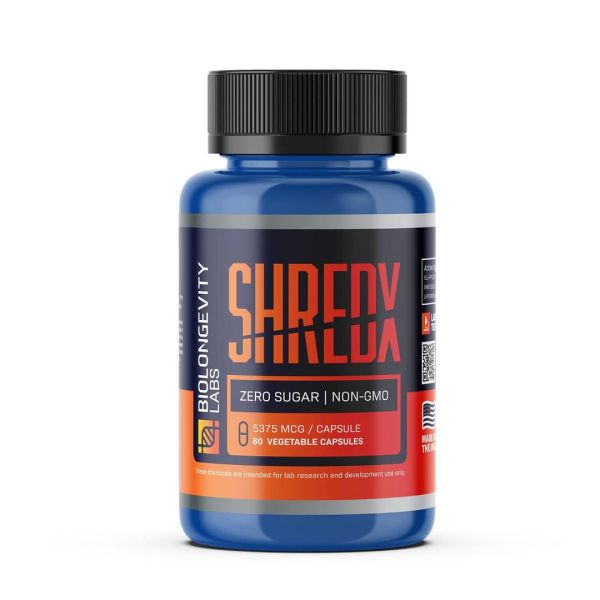
BioMind’s unique formulation combines J147’s neuroprotective properties, Dihexa’s synaptogenic effects, and Noopept’s cognitive enhancement, creating a comprehensive approach to support brain health and function. This synergistic combination offers a multifaceted strategy for promoting neuronal resilience and cognitive performance, addressing synaptic loss, cognitive decline, and neuronal damage concurrently.
Referenced Citations
- Chen, Q., et al. (2013). “The neurotrophic compound J147 reverses cognitive impairment in aged Alzheimer’s disease mice.” Alzheimer’s Research & Therapy, 5, 25.
- Currais, A., et al. (2019). “Elevating acetyl-CoA levels reduces aspects of brain aging.” eLife, 8, e47866.
- Benoist, C. C., et al. (2014). “The procognitive and synaptogenic effects of angiotensin IV-derived peptides are dependent on activation of the hepatocyte growth factor/c-Met system.” Journal of Pharmacology and Experimental Therapeutics, 351(2), 390–402.
- Sun, X., et al. (2021). “AngIV-Analog Dihexa Rescues Cognitive Impairment and Recovers Memory in the APP/PS1 Mouse via the PI3K/AKT Signaling Pathway.” Frontiers in Aging Neuroscience, 13, 745.
5. Ostrovskaya, R. U., et al. (2014). “Neuroprotective properties of Noopept in experimental models of cognitive impairment.” Journal of Neural Transmission, 121(8), 957–965.
