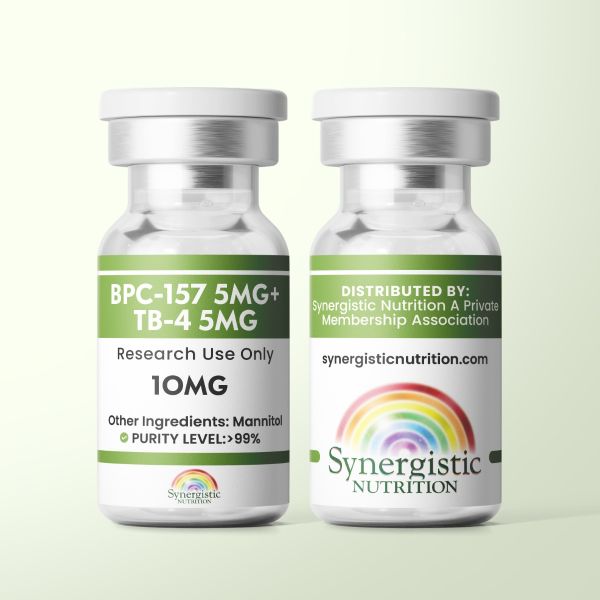
BPC-157 5mg + TB-4 (43 Amino Acid Peptide) 5mg - 10 mg vials - When out of stock, this takes up to 4-6 weeks to receive.
BPC-157 (Body Protective Compound-157) is a synthetic peptide derived from a 15-amino acid fragment of a protective protein found in human gastric juice. It has gained popularity for its potential regenerative, anti-inflammatory, and healing effects, especially in the realms of injury recovery, gut health, and soft tissue repair.
Basic Facts
Feature Details
Type Synthetic peptide (pentadecapeptide: 15 amino acids)
Origin Derived from human gastric juice protein
Form Commonly used as a subcutaneous injection, though oral and nasal forms are also available (though less studied)
Stability Stable in human gastric juice; orally bioavailable to some degree (especially for GI issues)
Reported Benefits of BPC-157
Benefit Explanation
Tendon and ligament healing Shown to promote collagen synthesis and fibroblast migration in animal studies
Muscle and joint repair Accelerates muscle regeneration after injury
Gut healing Protects against NSAID-induced ulcers, promotes mucosal healing (esp. in conditions like IBD)
Nerve regeneration Supports neuronal recovery and may help with nerve crush injuries in preclinical models
Anti-inflammatory effects Reduces markers of inflammation and oxidative stress
Improved angiogenesis Stimulates blood vessel formation in damaged tissues
Protects organs May protect the liver, heart, and brain in injury models (animal data)
Mechanism of Action (Proposed)
Increases VEGF (vascular endothelial growth factor) and nitric oxide synthesis → supports healing and blood flow
Enhances fibroblast activity and collagen production
Modulates inflammatory cytokines like TNF-α, IL-6, etc.
Supports angiogenesis and epithelial repair
Side Effects and Safety
Consideration Details
Side effects Generally well-tolerated in studies; rare reports of dizziness, nausea, fatigue in some users
Human studies Very limited; most research is animal-based (rats, mice)
Long-term safety Unknown due to lack of extensive human trials
Legality Not FDA-approved; sold as a research chemical or supplement in some countries
Dosage and Administration (Anecdotal/Experimental Use)
Method Typical Dose Notes
Subcutaneous injection 200–500 mcg/day Often injected near injury site; 2–4 weeks common
Oral form (capsules) 500–1000 mcg/day More for gut or systemic effects (e.g. IBD, leaky gut)
Intranasal Less common Some use for brain-related issues (TBI, concussion)
Note: Dosing is not standardized due to lack of clinical guidelines.
TB-500 is a synthetic version of a natural peptide called Thymosin Beta-4 (Tβ4), which plays a role in tissue repair, regeneration, and cell migration. It has garnered attention in athletic, bodybuilding, and biohacking communities for its potential healing and performance-enhancing benefits.
What Is TB-500?
- Structure: A synthetic peptide consisting of 43 amino acids.
- Mechanism: Mimics the effects of Tβ4 by promoting angiogenesis (formation of new blood vessels), cell migration, wound healing, and anti-inflammatory responses.
Potential Human Health Benefits (based on animal studies and anecdotal evidence)
|
Benefit |
Description |
|
Wound Healing |
Accelerates repair of skin, muscles, tendons, and even heart tissue in some studies. |
|
Anti-inflammatory Effects |
May reduce inflammation and fibrosis in damaged tissues. |
|
Hair Growth |
Some anecdotal reports of improved hair growth due to improved blood flow and cell regeneration. |
|
Joint & Tendon Recovery |
Used by athletes for faster recovery from injuries, especially soft tissue. |
|
Heart Protection |
Animal studies suggest it may help repair heart tissue post-injury (e.g., after a heart attack). |
|
Eye Health |
Promising in corneal healing in early animal and clinical research. |
BPC-157 5mg + TB 500 5mg
For research purposes only.
Product Reviews
No reviews available for this product.
