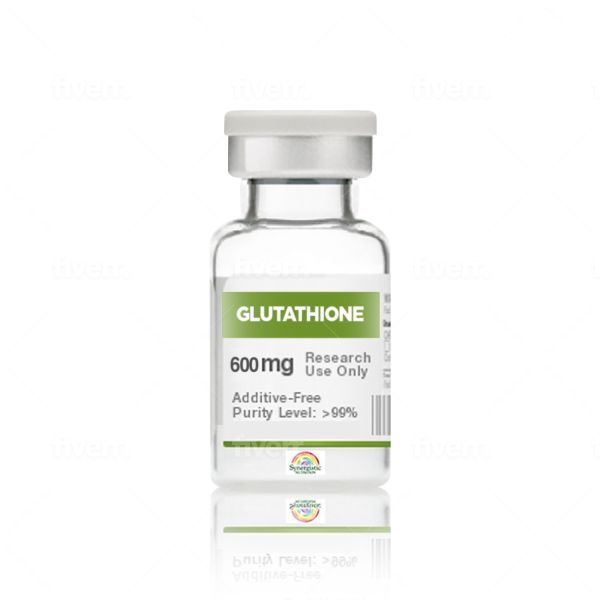
Glutathione 600 mg vials - In stock
Glutathione (GSH) is the most abundant thiol antioxidant in the human body and serves many important biochemical functions, including the regulation of vitamins, such as vitamins D, E, and C, and detoxification of drugs and toxins. As a powerful antioxidant, GSH is particularly important as a regulator of mitochondrial metabolism and a free radical scavenger that limits oxidative damage to cellular components. Low GSH levels have been associated with many chronic pro-inflammatory conditions, such as metabolic syndrome, cardiovascular, renal, and hepatic disease, as well as neurodegenerative conditions and autoimmune diseases. Given GSH’s known direct protective role in mitochondrial metabolism and its association with chronic diseases of highly metabolically active tissues, this review aims to examine the literature for evidence that low GSH levels may be an important causative factor in the development of chronic illnesses. Because no large prospective human trials have been conducted using direct measurements of GSH, this review focused on the more common biomarker gamma-glutamyl transferase (GGT) which is directly correlated to low GSH levels. Several large prospective studies support this hypothesis by demonstrating that higher GGT levels are correlated with the risk of developing metabolic syndrome and cardiovascular disease in a dose-dependent fashion. Furthermore, as a corollary to this hypothesis, human and animal trials utilizing GSH augmentation using precursor supplementation in chronic conditions, including metabolic syndrome, cardiovascular disease, hepatic disease, renal disease, and neurodegenerative conditions, were also reviewed. While many of these trials were preliminary and small, there is strong evidence that GSH supplementation leads to improved outcomes in all of these chronic conditions. Using supplemental glutathione would impact the majority of chronic diseases contributing to the bulk of morbidity and mortality in the Western world, and, thus, even minor benefits across many conditions may substantially impact population-wide health and longevity.
Glutathione (GSH) is the most abundant thiol antioxidant in the human body and serves many important biochemical functions, including the regulation of vitamins, such as vitamins D, E, and C, and detoxification of drugs and toxins. As a powerful antioxidant, GSH is particularly important as a regulator of mitochondrial metabolism and a free radical scavenger that limits oxidative damage to cellular components. Low GSH levels have been associated with many chronic pro-inflammatory conditions, such as metabolic syndrome, cardiovascular, renal, and hepatic disease, as well as neurodegenerative conditions and autoimmune diseases. Given GSH’s known direct protective role in mitochondrial metabolism and its association with chronic diseases of highly metabolically active tissues, this review aims to examine the literature for evidence that low GSH levels may be an important causative factor in the development of chronic illnesses. Because no large prospective human trials have been conducted using direct measurements of GSH, this review focused on the more common biomarker gamma-glutamyl transferase (GGT) which is directly correlated to low GSH levels. Several large prospective studies support this hypothesis by demonstrating that higher GGT levels are correlated with the risk of developing metabolic syndrome and cardiovascular disease in a dose-dependent fashion. Furthermore, as a corollary to this hypothesis, human and animal trials utilizing GSH augmentation using precursor supplementation in chronic conditions, including metabolic syndrome, cardiovascular disease, hepatic disease, renal disease, and neurodegenerative conditions, were also reviewed. While many of these trials were preliminary and small, there is strong evidence that GSH supplementation leads to improved outcomes in all of these chronic conditions. Using supplemental glutathione would impact the majority of chronic diseases contributing to the bulk of morbidity and mortality in the Western world, and, thus, even minor benefits across many conditions may substantially impact population-wide health and longevity.
600 mg glutathione per vial.
For research purposes only.
Product Reviews
No reviews available for this product.
