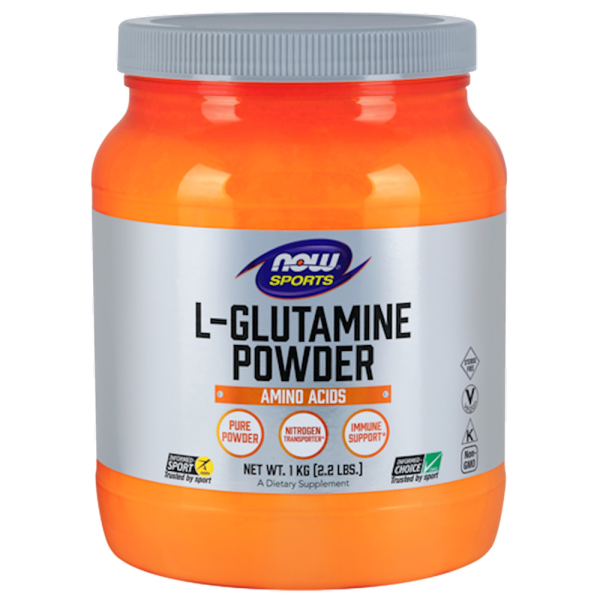
L-Glutamine Powder 1000 grams
Glutamine is considered to be a conditionally essential amino acid, which means that under certain circumstance, the body may require more glutamine than it can produce. In the body, glutamine functions as a major nitrogen transporter and is critical for the maintenance of healthy nitrogen balance. Glutamine also acts as the primary fuel for the rapidly growing cells of the immune system and GI tract.
Best utilization occurs when enough co-enzymatic B-6 is present. I recommend taking 1 tablet of Tri-Phos-B each time you take supplemental glutamine.
Glutamine is considered to be a conditionally essential amino acid, which means that under certain circumstance, the body may require more glutamine than it can produce. In the body, glutamine functions as a major nitrogen transporter and is critical for the maintenance of healthy nitrogen balance. Glutamine also acts as the primary fuel for the rapidly growing cells of the immune system and GI tract.
Best utilization occurs when enough co-enzymatic B-6 is present. I recommend taking 1 tablet of Tri-Phos-B each time you take supplemental glutamine.
Sugar cravings can pose a significant challenge for individuals aiming to maintain a balanced diet. Emerging research suggests that L-glutamine, a conditionally essential amino acid, may help mitigate these cravings. Additionally, L-glutamine has shown promise in reducing alcohol cravings, further supporting its potential role in craving management.
Understanding L-Glutamine
L-glutamine is the most abundant amino acid in the human body, playing a crucial role in various physiological processes, including protein synthesis, immune function, and intestinal health. While the body can produce L-glutamine, certain conditions such as stress, illness, or intense physical activity can increase its demand, making supplementation beneficial. Dietary sources of L-glutamine include meat, dairy products, eggs, beans, tofu, and leafy vegetables.
L-Glutamine and Sugar Cravings
One proposed mechanism by which L-glutamine may reduce sugar cravings is through its influence on blood sugar levels. When blood sugar levels drop, the body often signals a craving for sugary foods to quickly restore glucose levels. L-glutamine can be converted into glucose without causing a spike in insulin levels, potentially stabilizing blood sugar and reducing the urge to consume high-sugar foods (1).
Additionally, L-glutamine serves as a primary fuel source for the cells lining the intestines, promoting gut integrity and function. By supporting a healthy gut lining and microbiome, L-glutamine may help reduce sugar cravings linked to gut dysbiosis.
L-Glutamine and Alcohol Cravings
Interestingly, L-glutamine has also been studied for its potential to reduce alcohol cravings. Alcohol consumption can disrupt the balance of neurotransmitters in the brain, leading to increased cravings. L-glutamine may help restore this balance by serving as a precursor to neurotransmitters such as glutamate and gamma-aminobutyric acid (GABA), which are involved in reward and addiction pathways.
A study examining the use of a supplement containing D-phenylalanine, L-glutamine, and L-5-hydroxytryptophan found that this combination alleviated alcohol withdrawal symptoms in patients undergoing detoxification therapy.
Serving size: 1 Teaspoon (tsp)
Servings per container: 200
Ingredient
Quantity
L-glutamine
5000 mg
Suggested Use: Mix 1 rounded teaspoon in juice, preferably between meals, 1 to 2 times daily as needed.
Serving Size: 1 Rounded Teaspoon (approx. 5g)
Amount per serving:
Calories … 20
L-Glutamine … 5g
(free-form) (5,000 mg)
Other Ingredients: None.
Sugar cravings can pose a significant challenge for individuals aiming to maintain a balanced diet. Emerging research suggests that L-glutamine, a conditionally essential amino acid, may help mitigate these cravings. Additionally, L-glutamine has shown promise in reducing alcohol cravings, further supporting its potential role in craving management.
Understanding L-Glutamine
L-glutamine is the most abundant amino acid in the human body, playing a crucial role in various physiological processes, including protein synthesis, immune function, and intestinal health. While the body can produce L-glutamine, certain conditions such as stress, illness, or intense physical activity can increase its demand, making supplementation beneficial. Dietary sources of L-glutamine include meat, dairy products, eggs, beans, tofu, and leafy vegetables.
L-Glutamine and Sugar Cravings
One proposed mechanism by which L-glutamine may reduce sugar cravings is through its influence on blood sugar levels. When blood sugar levels drop, the body often signals a craving for sugary foods to quickly restore glucose levels. L-glutamine can be converted into glucose without causing a spike in insulin levels, potentially stabilizing blood sugar and reducing the urge to consume high-sugar foods (1).
Additionally, L-glutamine serves as a primary fuel source for the cells lining the intestines, promoting gut integrity and function. By supporting a healthy gut lining and microbiome, L-glutamine may help reduce sugar cravings linked to gut dysbiosis.
L-Glutamine and Alcohol Cravings
Interestingly, L-glutamine has also been studied for its potential to reduce alcohol cravings. Alcohol consumption can disrupt the balance of neurotransmitters in the brain, leading to increased cravings. L-glutamine may help restore this balance by serving as a precursor to neurotransmitters such as glutamate and gamma-aminobutyric acid (GABA), which are involved in reward and addiction pathways.
A study examining the use of a supplement containing D-phenylalanine, L-glutamine, and L-5-hydroxytryptophan found that this combination alleviated alcohol withdrawal symptoms in patients undergoing detoxification therapy.
Product Reviews
No reviews available for this product.
