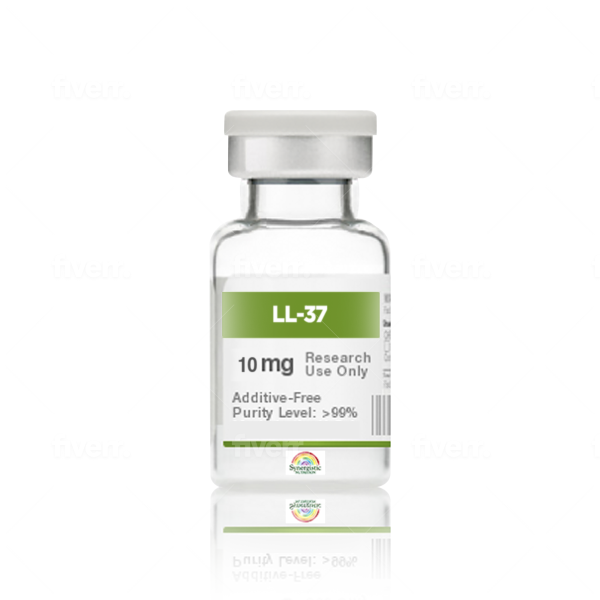
LL-37 10 mg - When out of stock, it takes 4-6 weeks to get.
LL-37, also known as human cationic antimicrobial protein 18 (hCAP18), is a multifunctional antimicrobial peptide involved in innate immunity, wound healing, and inflammation. It is the only human cathelicidin, a family of antimicrobial peptides found in various animal species. Here's a detailed overview of LL-37, its functions, sources, and potential applications:
1. LL-37 Structure and Function:
LL-37 is a 37-amino acid peptide with a net positive charge, derived from the C-terminal region of the hCAP18 precursor protein. Its primary functions include:
- Antimicrobial activity: LL-37 exhibits broad-spectrum antimicrobial activity against bacteria, fungi, and enveloped viruses by disrupting their membranes.
- Inflammation and wound healing: LL-37 promotes inflammation and wound healing by stimulating the production of pro-inflammatory cytokines and growth factors.
- Immune modulation: LL-37 influences adaptive immunity by modulating dendritic cell function and T cell responses.
- Cancer regulation: LL-37 has been shown to have both pro- and anti-tumorigenic effects, depending on the context and cancer type.
2. LL-37 Sources:
LL-37 is primarily produced by epithelial cells, neutrophils, and other immune cells. It is found in various body fluids, such as saliva, tears, sweat, and milk. In food products, LL-37 can be derived from animal sources, such as:
- Milk: Bovine milk contains LL-37, which contributes to its antimicrobial and immunomodulatory properties.
- Eggs: Chicken eggs contain LL-37 in their albumen (egg white), where it plays a role in antimicrobial defense and embryo development.
- Fish: Some fish species, like salmon and cod, produce LL-37-like peptides with antimicrobial and immunomodulatory activities.
3. LL-37 in Natural Health and Medicine:
Given its multifunctional roles, LL-37 has gained attention for its potential applications in natural health and medicine:
- Wound healing: Topical application of LL-37 or LL-37-like peptides can accelerate wound healing and prevent infections in skin wounds, burns, and ulcers.
- Infectious diseases: LL-37's antimicrobial activity may help combat antibiotic-resistant pathogens and viral infections, such as COVID-19.
- Cancer therapy: Further research is needed to elucidate LL-37's role in cancer regulation, but it may have potential as an adjunctive therapy in certain cancer types.
- Immune modulation: LL-37's immunomodulatory effects may be harnessed to develop natural immune-boosting supplements or therapies.
4. Safety and Toxicity:
LL-37 is generally considered safe, as it is a natural component of the human immune system. However, high concentrations or prolonged exposure may cause skin irritation or other adverse effects. As with any supplement or therapy, it is essential to consult with a healthcare provider before using LL-37.
Product Reviews
No reviews available for this product.
