
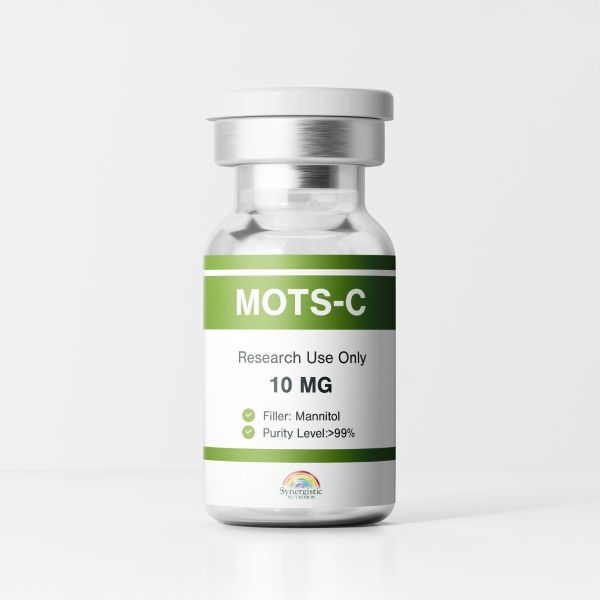
MOTS-C 10 mg vial
What is MOTS-C?
MOTS-C is a synthetic peptide derived from a mitochondrial gene, the 12S rRNA. It has been found to benefit overall health and well-being, particularly in metabolism and energy production. MOTS-C is a mitochondrial-encoded peptide that functions as a signalling molecule; it’s the first identified peptide that acts as a critical regulator of mitochondrial physiology.
How does MOTS-C work?
MOTS-C modulates the activity of the mitochondria, the cell’s powerhouses, by regulating the movement of the mitochondrial genes that control energy production. It is thought to play a role in regulating energy metabolism, insulin sensitivity, and glucose homeostasis. Also, MOTS-C has anti-inflammatory effects, which can help improve the immune system’s function.
What are the potential benefits of MOTS-C?
The potential benefits of MOTS-C include improved metabolism and energy production, increased insulin sensitivity and glucose homeostasis, and enhanced immune function. Additionally, MOTS-C may help treat conditions such as obesity, diabetes, and metabolic disorders.
What are the potential side effects of MOTS-C?
MOTS-C is considered to be safe and well-tolerated
MOTS‐c is a peptide of 16 amino acids expressed by a mitochondrial gene. Research by Pinchas Cohen and his colleagues at the Leonard Davis School of Gerontology at the University of Southern California provides evidence that mitochondria play a key role in signaling and in energy production.
MOTS-c is known to regulate metabolic functions throughout the body, including turning glucose into usable energy. The first studies on MOTS-c were conducted on obese mice. They showed that the peptide helped boost glucose metabolism even when the mice were fed a high fat diet. These preliminary studies show evidence for improved control over blood sugar levels for those with type 2 diabetes and obesity.
Cohen’s research also shows that skeletal muscle is the major target tissue of MOTS‐c. The skeletal muscle enhances insulin sensitivity and increases glucose uptake in myocytes (muscle cells) by activating the AMPK pathway and at the same time without increasing insulin. He also went on to say that it is fair to call MOTS‐c an exercise‐mimetic, meaning it imitates exercise on the body. Exercise also increases muscle glucose uptake without stimulating insulin.
AMPK (AMP‐activated protein kinase), was identified in 1999 as the master switch for metabolism and the central regulator of both glucose and lipid (fat) metabolism. Since then, it has been a target for therapeutic intervention against metabolic conditions such as type‐2 diabetes.

METABOLIC FLEXIBILITY
Metabolic flexibility is when our metabolism can efficiently switch and change when metabolic demand or supply is needed. These types of changes have trained our body to manage energy metabolism for optimal substrate (glucose, fatty acids, amino acids) storage and use during states of either food excess or deficiency, and periods of either rest or increased energy demand.
The human body knows how to use moderate amounts of carbohydrates, amino acids and fatty acids. Our western diet, however, is characterized by excess food supply. Metabolic dysfunction or metabolic inflexibility is caused by continuous intake of excess calories, processed foods, and physical inactivity.
A DYSFUNCTIONAL METABOLISM
In various models of obesity and diabetes we know that some metabolic pathways are dysfunctional. It is caused by competition between sugars, fats, and proteins and what we call the 3 prongs of metabolic insensitivity.
- Distorted nutrient sensing. This means the cell’s ability to recognize and respond to substrates such as sugars or fats isn’t working. Insulin resistance is an example, it’s when cells in your muscles, fat, and liver don’t respond well to insulin and can’t use glucose from your blood for energy.
- Blunted substrate switching. Example: skeletal muscle being unable to switch from carbohydrates to fats for energy needs.
- Impaired energy homeostasis. The inability of the body to regulate food intake (energy inflow) and energy expenditure (energy outflow).
Excess calories can overwhelm the mitochondria and cause mitochondrial dysfunction.
This has many detrimental effects on metabolism and is strongly associated with weight gain in both humans and animal models.
MOTS-C 10 mg per vial.
Other ingredients: Mannitol
For research purposes only.
Product Reviews
No reviews available for this product.
