
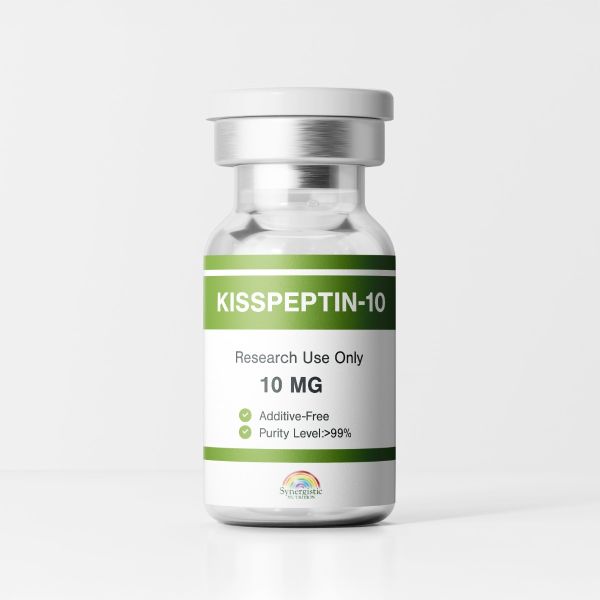
Kisspeptin 10 - 10 mg/vials
Kisspeptin Peptide: A Potent Modulator of Reproductive Health and Beyond
Kisspeptin peptides, particularly kisspeptin-10 and kisspeptin-54, have garnered significant attention due to their crucial role in regulating reproductive function. Here, we explore the potential benefits of kisspeptin peptides, focusing on their impact on reproductive health, as well as emerging evidence supporting their broader therapeutic potential.
Kisspeptin Peptide: A Potent Modulator of Reproductive Health and Beyond
Kisspeptin peptides, particularly kisspeptin-10 and kisspeptin-54, have garnered significant attention due to their crucial role in regulating reproductive function. Here, we explore the potential benefits of kisspeptin peptides, focusing on their impact on reproductive health, as well as emerging evidence supporting their broader therapeutic potential.
1. Enhancing Reproductive Function
Kisspeptin peptides act on kisspeptin receptors (GPR54) in the brain, stimulating the release of gonadotropin-releasing hormone (GnRH), which in turn promotes the secretion of luteinizing hormone (LH) and follicle-stimulating hormone (FSH) from the pituitary gland. This cascade of events ultimately enhances reproductive function by increasing the production of sex hormones (testosterone and estrogen) and gametogenesis (Dungan et al., 2006).
- Improved Fertility: Kisspeptin peptides have been shown to enhance fertility in both men and women by stimulating the HPG axis and increasing the production of sex hormones. In male mice, kisspeptin-10 administration increased testosterone levels and sperm count (Anand-Ivell et al., 2008). Similarly, in female mice, kisspeptin-54 treatment enhanced ovulation and fertility (Seminara et al., 2006).
- Enhanced Sexual Function: By increasing testosterone levels, kisspeptin peptides may improve sexual function and libido in men. A study in healthy men demonstrated that kisspeptin-10 administration increased LH and testosterone levels, as well as subjective measures of sexual desire (Dhillo et al., 2007).
- Potential Anti-Aging Effects: Some studies suggest that kisspeptin peptides may have anti-aging effects on the reproductive system, potentially delaying age-related decline in fertility. In male mice, kisspeptin-10 administration improved sperm quality and fertility in aged animals (Gaytan et al., 2014).
2. Beyond Reproductive Health: Emerging Therapeutic Potential
Recent research has begun to explore the broader therapeutic potential of kisspeptin peptides, beyond their impact on reproductive function.
- Metabolic Regulation: Kisspeptin receptors are expressed in various metabolic tissues, such as adipose tissue and the pancreas, suggesting a potential role in energy homeostasis. In obese mice, kisspeptin-10 administration improved glucose tolerance and insulin sensitivity, as well as reducing adiposity (Pereira et al., 2013).
- Neuroprotection: Kisspeptin receptors are also expressed in the brain, where they may play a role in neuroprotection. In a mouse model of Parkinson's disease, kisspeptin-10 administration attenuated dopaminergic neuron loss and improved motor function (Liu et al., 2017).
- Cancer: Emerging evidence suggests that kisspeptin peptides may have anti-cancer properties. In vitro studies have shown that kisspeptin-10 inhibits the proliferation and induces apoptosis of various cancer cell lines, including breast, prostate, and colorectal cancer (Gaytan et al., 2016).
Safety and Considerations
While kisspeptin peptides offer promising therapeutic potential, it is essential to consider their safety and potential side effects.
- Dosage: The optimal dosage of kisspeptin peptides for human use has not been established. Animal studies have used doses ranging from 0.1 to 10 nmol/kg (Dungan et al., 2006; Seminara et al., 2006). Always consult with a healthcare practitioner experienced in integrative or functional medicine before starting kisspeptin peptide therapy.
- Administration: Kisspeptin peptides are typically administered subcutaneously.
- Side Effects: Kisspeptin peptides are generally well-tolerated, with no significant side effects reported in animal studies. However, their long-term safety profile in humans is not yet established.
Product Reviews
No reviews available for this product.
